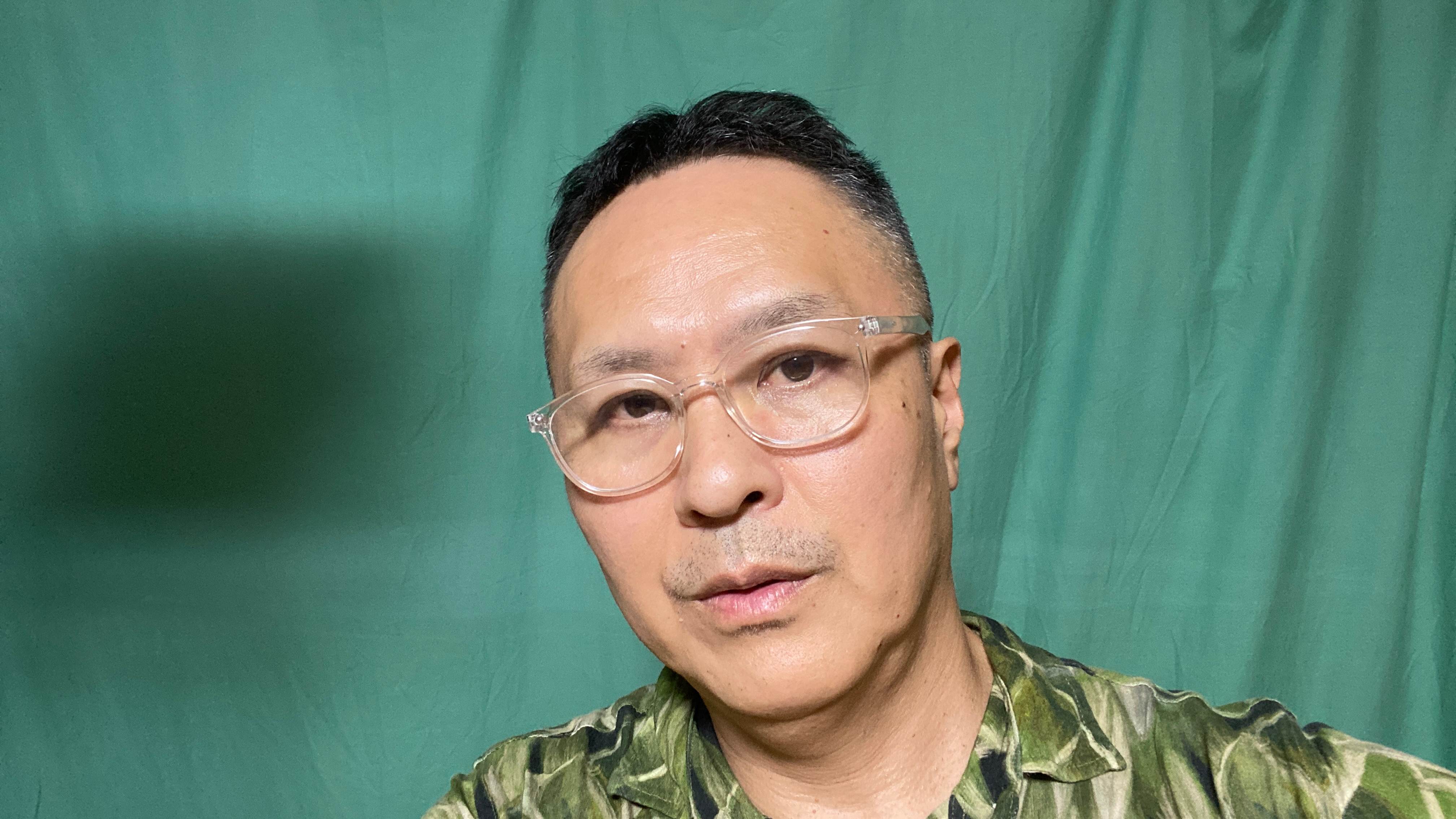
"FROM OKINAWA WITH LOVE "
The 48th Asian American International Film Festival
Date: Thursday, August 07, 2025
Time: 6:00 PM to 8:00 PM
Place: the Regal Union Square
Auditorium 14, 850 Broadway, New York, NY 10003
Directed by Hiroshi Sunairi @hiroshisunairi
Interview by James Maher
Featuring the life and work of Mao Ishikawa
James: Let's start off by talking about the film. Congratulations on releasing it. Do you mind giving us an introduction about what the film is, what it's about, and who Mao is?
Hiroshi: Yes, Mao Ishikawa is a legendary Okinawan photographer. She's very, very well known in Japan. She's getting a lot of attention now, thanks to the book from Session Press, which jumped-started her international career. I had only known her latest work, and I was just blown away by the intimate distance between these Okinawan women and these African American soldiers. In Japan, this personal diary, which was sort of termed with the work of Araki—even before this term was invented—she was doing this on her own without anyone's guidance. She deals with issues of Okinawa, expanding issues of Okinawa, and the Okinawan people.
She's been doing political and social work, and very intimate, very impactful pictures. It is quite intuitive. She has had a very impressive career, all kinds of photo experimentation, sometimes staging, sometimes quite conceptual and political—an immense variety of work. Lately, as her age is advancing, the Japanese photography world, who has been trying to ignore her for a long time, finally are starting to be like, ‘Oh my God, we have to recognize this person.’
In the seventies, she worked at a bar that served African Americans. She wanted to explore Americans in her photography. This was her first photography project; she just basically jumped into this situation, started working. I found this quite incredible. And then she fell in love with them. She lived with them. Through it all, almost like a diary, she took pictures of everyday stuff, of things that are very significantly insignificant: daily affairs, people gathering, drinking, having fun. It captured the historical moment of the still segregated community.
With the exchange rate, the soldiers were kind of rich, so they had lots to give as well. So that is completely lost now. During the time of the Vietnam War, things were very exciting. And there was the mental landscape of having to go to Vietnam, coming back from Vietnam. The result is a beautiful photography book. In this film, she explores what happened by looking at her own photographs. She talks about her boyfriend. She talks about issues of women. She talks about the complex history of her work, and her current cancer, which is a big scene in this film. She becomes completely naked for the camera, to see. And she's not an exhibitionist. She did this out of giving back what she has taken as a photographer. Because she's always taken something from people, you know, by taking pictures of people. She really wanted to give back. So somehow, the documentary was right at the time when she felt, maybe she's going to die because of the cancer, which was stage four at the time. She thought, ‘Oh, I better hurry, do what I wanted to do.’ And with this, she gave this wonderful, wonderful, very important historical moment of this aging.
James: It must feel nice to help her get more known. I have two follow-up questions. Can you give us a little insight into Mao's personality? And what was it like becoming closer to her, in relation to how you work with artists and people?
Hiroshi: She is quite articulate, and she speaks really well about her work. And with her work, she's very intuitive. She says she doesn't think she just jumps in. She finds a connection by just forcing herself, her body, into the situations and the people that she surrounds herself with, and then she just starts taking pictures. Through this process, she discovers issues; she discovers what she likes out of that; she creates a trajectory in that way.
She hung out with some leftist political activists when she was a teenager. And that's how she got involved in protests, massive protests when the US base was attached. In some ways, she's very, very aware of the politics that she talks about. In this film, she talks a lot, in a way that is very accessible, very experience-based. It's not conceptual in any way, it's not abstract—it's like a very down-to-earth way of dealing with politics. It's very real in some ways.
James: You grew up in Hiroshima. I'm curious about your background, learning about the nuclear devastation as a child, then personally witnessing 9/11 and the Iraq War. Do you think you were attracted to her story because of your connection to war and the relationship between Japan and America?
Hiroshi: Yeah, in my past I've dealt with my hometown of Hiroshima, known for that atomic bombing in 1945. Then on 9/11, I was there because I had an immigration appointment at the INS. My appointment was 9:30, so as I got out of the subway, it stopped, and then it wouldn't let people go out. We had to wait for a couple of minutes. When we came out, I was on Church Street, so I saw the World Trade Center maybe like three to five blocks away. I took pictures.
The situation was quite hasty. Police were screaming, ‘Get outta here!’ People are stopping, crying, freaking out, all kinds of scenes. Then there was an African American man who came out of the World Trade Center covered in this white dust. Everyone was gathering around him, listening. We witnessed one of the towers as it crumbled. I took pictures, and everyone was in shock. The smoke started coming towards us, so everyone started running. And maybe a week later, I went to the bookstore and I found myself in a picture by the journalist photographer Susan Meiselas.
I started teaching at the time at NYU and I used to question students, ‘The war's gonna happen, what do you think?’ So I decided to teach about Hiroshima and atomic bombing as a possible consequence of the war that was about to happen at that time. I curated an exhibition of the student work at some gallery in New York, then presented it to the City Museum of Hiroshima, where I made an artwork based on the anniversary of the atomic bombing by creating elephants in the shape of a cage, stuffed with the trees that survived the atomic bombing. I befriended a tree doctor who's been taking care of the trees that survived, and since then, I've been working on that project. In my past, I have dealt with the issues of Hiroshima, living as a person in New York, knowing what the Americans think about the atomic bombing and how the representation of the atomic bombing may be different in Hiroshima. I'm very aware of that perspective, this international perspective, something that's both local and global.
In that mindset, when I saw Mao's work—and I mean, I find her pictures incredibly beautiful, so personal, steamy, raw, you can smell the air. The way she talked about her work was so universal and so powerful that I wanted to combine her words and her pictures in my film. Her words can withstand on their own, amuse and convince people on their own, but if you combine them with her photographs, it becomes even more powerful. Students, they have a forced conviction that art has to be like this, it has to be like that. But she's so free, so beyond anything. The movie is a history of Okinawa and a history of colonization, the military bases with entertainment districts. I really wanted to share this, not just with the Japanese, but also the people of the United States.
The other thing that struck me was the way she talked about African Americans, in such a fresh way. In the midst of Black Lives Matter, and our whole society was kind of frozen. For instance, when you speak about Black Lives Matter or the racism against African Americans, you get canceled. Or if you use some words that upset people. But here comes this local Okinawan woman talking about African Americans. And sometimes with stereotypes that nowadays Americans are forbidden to use. But then she comes to a conclusion where she starts falling in love, going through relationships. She had three relationships with African Americans and learning them as people. Instead of African Americans, instead of soldiers, instead of Americans, she learned them as a person. She has a very down-to-earth humanitarian way of talking about this. This impressed me so much. There were all these power relationships that were so complex. She was also working at a bar that served African Americans and American soldiers. It was still in the seventies. Civil rights had come to Okinawa, but hadn't yet permeated amongst the regular citizens. So her context of stereotypes were okay, in some ways. And then she saw African Americans as humans, a person, a guy. This was so powerful to me. And because Americans cannot talk like this, I think Americans would appreciate it. So, I mean, this really was the point. I decided to make a film about her.
James: What is the status of the film? How can we watch it? What's happening with it?
Hiroshi: On August 7th, it's going to screen at the 48th Asian American International Film Festival. I’m working on finding a good distribution for online release. We just had a LA screening as well. I'm looking for more film festivals within the United States as well as maybe starting to do academia, screenings with universities. And then Aperture just published a book on a history of Japanese photography by women. They're going to have an exhibition and screening event next year, so my film is invited to that. If you'd like to follow up, you can find me on Facebook and Instagram, and there I'm always posting news about this film.
James: I'm curious about you. You've worked in many different mediums, and I'm curious about how you grew up as an artist.
Hiroshi: My parents owned a sign company, and the factory was very close to my life. I used to often paint for them, paint signs and things like that, and facilitated putting them up. So making things was a big part of my life. However, I was only in Japan until high school, and then I immediately came to the United States. Hiroshima, it's quite a bit conservative, more conservative than Tokyo. When you say you are an artist, people are like, ‘What? How do you make money?’ You know, this kind of thing; that’s kind of the mood in the local city.
In college, I started to explore performance, even though my major was in painting. I love painting, the colors and oils. I was so puzzled, because this was in the nineties, and identity politics and postmodernism were so prevalent in the university and art world education. Matthew Barney had this piece called March of the Anal Sadistic Warrior. He was naked and rock climbing in a gallery. I was like, ‘Wow!’ This was happening in the center of the art world, and I'm still doing paintings. I was so troubled by what I was doing, even though I loved painting.
But I decided one day that I was going to force myself to come out of this comfortable circle, and I started doing performance.
Often performance deals with your own image, your body. Representation of the Asian man became a core issue for me. Rather than deciding, okay, this is the medium that I want to do—it was more like my issues guided me. And so I began as a performance artist in New York. I used to do gallery performances at openings, and slowly I started to do photography work, where I continued my self, my image, exploration. I was doing sort of like a seventies soft-core pornography of myself, sort of like infantilizing my image. This was the time of Calvin Klein, with Steven Meisel taking pictures for CK One. This kind of seventies pornography was really exciting for me, because of the essence in its representation of a variety of people, variety of hair, variety of races, the kinds of issues that I was very attracted to in the seventies, like freedom and free love. I started to make photography work, and I would splice it up by making it into collages. Since I was also an abstract painter, I'm quite aware of forms and shapes and lines, and how you create space with those. So I interjected all those. I would make quite complex collages, that are pictorial but at the same time, kind of abstract.
Then I couldn't stay satisfied by the flat work, because collage is always flat. I wanted to make work that was physically three-dimensional. I started incorporating thicker mounts. Or sometimes I mounted pictures on wood and cut the wood and puzzled them together. It started to expand, to get bigger and bigger. I fell in love with making big work, because with large work you can spend six months, like one month in planning, two months in cutting, and then sanding, putting it together, coloring, all kinds of things. It was very physical; I would sweat. Instead of doing something with your hand, you use your whole body. When I really fell in love, the turning point was when I made the elephant work for the Hiroshima Museum. I traveled to India to see elephants. When I made the elephant piece and the exhibition, you couldn't see all the traces of my research journey in India. That’s why I moved onto filmmaking, documentary form.
James: Can you tell us about the city in the ‘90s? I feel like the art scene of the time had almost a cultural ADHD, where so many artists and creative people worked in a variety of mediums. The message was what was most precious. It’s interesting to see how that resonated with you and your background.
Hiroshi: I think so. In some ways, my performance time in the nineties was filled with all kinds of collaboration. I used to hang out with the fashion crowds, the music scenes, and we used to just collide all the time. I think the last very creative, interesting scene in New York was in the 90s. Since 2000, it's completely changed because it got expensive, and then the market of the art world has become really strong. In some ways, things became so corporate, and the nineties wasn't like that. In the East Village, if you lived on Avenue C your rent could be like $300 still, and you could eat cheaply. When you have a bunch of people who have a lot of time without a lot of money, they get creative, and it was really exciting. Things are in the air, not perfect, not concrete, but like things are kind of rough and raw. That was the scene in the nineties. It was a beautiful time.
James: Have you always been interested in people? With your interviews and your film and documentary work, that's a tangent from the art you were doing. Can you tell us about that?
Hiroshi: What happened was, because in my early career I focused on myself, basically, when I used to do performance. Every single piece was original, self, autobiography. In some ways, I explored everything about myself and I felt like there was no more stuff to show. Then, when I started focusing on Hiroshima, it became about expanding my narcissism or narcissistic analysis of myself into the world. But when you are representing others, there are ethics that I have to think about, worrying about representing people in a way that is taking away from them or representing something that they don't want. That became my preoccupation, thinking about what it means to represent someone in a tougher situation. I would think about what needs to be represented.
When I interview people, they can say all kinds of things, but there is a voice of self- representation somewhere. Here and there, in between cracks of words, there's a need for self- representation. That's the cue I find, in talking to people, listening to people, and then watching their footage over-and-over again until I start to connect things. In some ways, my film is really about people, but it's also about words. It’s about the philosophy of everyday people, because you don't have to use difficult language, but you can be quite articulate in your own way, you know? So that's what I find interesting. That's what I look for in my work.
James: I'm curious. The amount of time you must put into your work and this movie seems immense. Do you work on one project and forget about everything else? Or do you kind of hop back and forth? And is there anything you're working on right now that you want to talk about?
Hiroshi: Yeah, From Okinawa with Love is the second part of the Okinawa trilogy. Okinawa three is called Okinawa Philadelphia, in which Mao goes to Philadelphia to see her friend, an African American soldier. She took pictures in Philadelphia called Life in Philly. I interviewed his son because he passed away from disease. By interviewing these people, I saw there was a trauma that the soldier went through, by falling in love with an Okinawan woman and failing at that marriage. There was this torment and suffering that I discovered through the interview and connecting with Mao, who's actually kind of funny on this. Of course, she's very concerned with the way he was hurt by this Okinawan woman, but he also was kind of in love with Mao as well. So there was this kind of funny, revealing moment. And I'm still making Okinawa 1 (temporary title), more of a historical Okinawa, and the current political situation, this big context that's very important for From Okinawa with Love, with the American military presence. And also the sexual crimes that happened from 1945 to 1971, which really made Mao want to deal with Americans. In the beginning, she came out of anger. And then, through it all, she saw something else; she saw people. This context I think is very important. I also want to bring the son of the soldier to Okinawa for him to see Mao before she gets too old.
And then, I met the tree doctor in Hiroshima in 2004 and started doing this thing called Tree Project. Hibaku is an atomic surviving tree, and I sent a bunch of seeds to people around the world, and some were able to grow them into trees. I've been documenting many interviews with the tree doctor, whose life is very interesting. His devotion to nature is quite amazing, and also quite radical. I've also interviewed the survivors of Hiroshima. And I'm making a series called Hiroshima Notes, focusing on a person in each film, but in a series of all kinds of different people. And I’m also working on an experimental documentary on the recitation of the poems by this Bengali poet named Jibanananda Das. Alan Ginsburg called him the first modern poet of India. This guy was quite interesting, living during the time of the partition. His poems are loved. Even now, people can recite them from their heart. I started to document all these people's poetry reading, in all kinds of locations in Bangladesh. The people who are in it keep asking me, 'When is it going to come out?' So, I owe them. I need to work on that. So I'm always working on a bunch of things, all at the same time.
『オキナワより愛を込めて』
第48回 アジアンアメリカン国際映画祭
日程: 2025年8月7日(木)
時間: 午後6時〜8時
会場: Regal Union Square(オーディトリアム14)
850 Broadway, New York, NY 10003
監督: 砂入博史監督(@hiroshisunairi)
インタビュー:ジェームズ・マハー
出演: 石川真生の人生と作品を特集
ジェームズ:まずは映画についてお聞きします。公開おめでとうございます。この映画がどのような作品で、何を扱っているのか、そして真生さん(石川真生)がどういう人物なのか、紹介していただけますか?
博史:はい。石川真生は沖縄出身の伝説的な写真家です。日本ではとてもよく知られていますし、今は Session Press からの本のおかげで国際的にも注目が高まっています。あの本が、彼女の国際的なキャリアに火をつけたと言っていいでしょう。私は当初、彼女の最新作しか知らなかったのですが、沖縄の女性たちとアフリカ系アメリカ人の兵士たちとのあいだにある“親密な距離感”に圧倒されました。日本では、荒木経惟の仕事とともに語られてきた「私写真」的な日記性——この言葉が生まれる以前から——彼女は誰の指導も受けずに独力でやっていたのです。彼女は沖縄、そして沖縄を取り巻く問題、人々の問題を扱ってきました。
彼女は政治的・社会的なテーマを扱いながらも、非常に親密で、強烈な写真を撮ります。それはとても直感的です。彼女のキャリアは本当に印象的で、あらゆる写真実験——ときに演出を加え、ときに非常にコンセプチュアルで政治的——を行ってきました。作品の幅は実に広い。近年、彼女の年齢が上がるにつれて、長いあいだ彼女を無視し続けてきた日本の写真界も、ついに「これは認めなければならない」と言い始めているのです。
1970年代、彼女はアフリカ系アメリカ人の兵士が集まるバーで働いていました。写真で「アメリカ人」を撮りたいと考え、これが最初の写真プロジェクトになりました。彼女は状況の中へ飛び込み、働き始め、撮り始めたのです。私はそれが本当に驚くべきことだと思いました。そして彼女は彼らを愛し、共に暮らしました。日記のように、日々の些細だけれども非常に重要な事柄——人が集まり、飲み、楽しむ姿——を撮り続けました。まだ人種的に分断されていたコミュニティの歴史的な瞬間を記録しているのです。
為替レートの関係で、兵士たちはある種“裕福”でした。だからこそ、彼らには与えられるものがたくさんあった。それは今では完全に失われています。ベトナム戦争の時代で、現地へ行かなければならない、あるいはベトナムから戻ってくる——そんな精神的風景も含めて、時代の雰囲気は衝撃的なものでした。結果として生まれたのが、美しい写真集です。映画の中で彼女は、自分の写真を見つめ直しながら、当時何が起きていたのかを探っていきます。彼氏のこと、女性の問題、沖縄が抱える複雑な歴史、そして現在の癌についても語ります。映画の大きなシーンでは、彼女はカメラの前で完全に裸になります。彼女は注目を集めたくてそうしているわけではありません。写真家として人々を撮ることで常に“何かをもらってきた”からこそ、今度はそれを返したいという思いからそうしたのです。
ちょうどその頃、彼女の癌はステージ4で、「もしかしたら自分は死ぬかもしれない。やりたいことを急いでやらなければ」と感じていました。そうして撮られたこのドキュメンタリーは、老いという非常に重要な歴史的瞬間を、彼女が私たちに差し出してくれた、とても素晴らしく、かけがえのない作品になったのです。
ジェームズ:彼女がより多くの人に知られるようになって、嬉しい気持ちもあるのではないでしょうか。2つ、続けて質問させてください。ひとつは、真生さんの人柄について少し教えていただけますか?もうひとつは、あなたがアーティストや人々と関わる上で、彼女と親しくなっていく過程はどのようなものでしたか?
博史:彼女はとても表現力があって、自分の作品について話すのを得意としています。そして、作品づくりにおいては非常に直感的です。彼女自身、「考えるのではなく、まず飛び込む」と言っています。自分の身体ごと状況の中に、そして周囲にいる人々の中に投げ込んでいくことで、自然とつながりを見つけ、写真を撮り始めるんです。そのプロセスを通じて、自分が扱いたいテーマや、自分が惹かれるものを発見し、そこから軌道が生まれていくんです。
彼女は10代の頃、左翼の政治活動家たちと行動を共にしていて、それがきっかけで、米軍がくっついて日本復帰したことへの抗議運動など大規模なデモに参加するようになりました。ある意味で、彼女は自分が語る政治について非常に意識的です。この映画の中でも、彼女は多くのことを語っていますが、それはとても身近で、経験に根ざした語り方です。決してコンセプチュアルでも抽象的でもなく、非常に地に足のついた方法で政治と向き合っています。ある意味で、とてもリアルなんです。
ジェームズ:あなたは広島で育ちました。子どもの頃に原爆の惨状について学び、後に9.11やイラク戦争を個人的に目の当たりにしてきた(イラク戦争は米国に住みながらメディア上で目の当たりにしたので、自身は体験はしていませんが)。そのような背景があるなかで、戦争や日米関係に関するあなた自身の経験が、真生さんの物語に惹かれた理由のひとつだったと思いますか?
博史:そうですね。自分の過去を振り返ると、原爆で知られる故郷・広島と向き合いました。そして9.11のときは、ちょうど移民局(INS)でビザの面接があって、現場にいました。面接時間は9時半で、地下鉄を降りようとしたら止まっていて、外に出られなかった。数分待ってようやく外に出たら、チャーチ・ストリートにいて、そこから3~5ブロックほど先にワールドトレードセンターが見えました。私はその場で写真を撮りました。現場は非常に慌ただしかったです。警察が「ここから出ろ!」と叫び、人々は立ち止まり、泣き出し、取り乱し、本当にいろんな光景が広がっていました。そのとき、真っ白な粉塵にまみれたアフリカ系アメリカ人の男性がワールドトレードセンターから出てきて、周囲の人々が彼の話を静かに聞いていたのを覚えています。その後、私たちはビルのひとつが崩れ落ちるのを目撃しました。私は写真を撮り続け、人々は言葉を失っていました。煙がこちらに向かってきたので、皆で一斉に走って逃げました。1週間ほど経った後、書店に行ったら、報道写真家スーザン・マイゼラスの写真に写っている自分を見つけました。
当時私はNYUで教えていて、学生たちに「戦争が始まりそうだけど、君たちはどう思う?」と問いかけていました。それで、私はヒロシマと原爆を、これから起こりうる戦争の帰結として教えることに決めました。学生の作品を集めてニューヨークのギャラリーで展覧会を企画し、それを広島市現代美術館に持っていきました。そこで私は原爆の記念日に合わせて作品を制作しました。それは檻のような形をした象の彫刻の中に、原爆を生き延びた被爆樹を詰め込んだものでした。その被爆樹を今も手入れしている樹木医と親しくなり、それ以来、そのプロジェクトに取り組んでいます。つまり、広島の問題に向き合いながら、ニューヨークで生き、日本人として、アメリカ人が原爆をどう考えているか、また広島における原爆の語られ方がどう異なるかを強く意識するようになりました。私は常に、ローカルでありながらグローバルでもある、国際的な視点を大切にしてきました。
そんな視点の中で真生さんの作品に出会ったとき、本当に驚きました。彼女の写真はとにかく美しく、ものすごく個人的で、生々しくて、官能的で、まるで空気の匂いまで感じられる。彼女の語る言葉もまた、とても普遍的で力強くて、「この言葉と写真を組み合わせて映画にしたい」と思いました。彼女の言葉だけでも人々を惹きつけ、納得させる力がありますが、それを写真と合わせることでさらに強くなる。学生たちは、「アートはこうでなければならない」と決めつけがちですが、彼女はその枠を完全に超えていて、自由なんです。この映画は、沖縄の歴史であり、植民地化の歴史、米軍基地と歓楽街の関係を描いたものでもあります。私はこの物語を、日本の人々だけでなく、アメリカの人たちにも届けたいと思いました。
もうひとつ、強く心に残ったのは、彼女がアフリカ系アメリカ人について語るその新鮮さです。Black Lives Matterの真っ只中で、社会全体が凍りついていたような時期、例えば、BLMやアフリカ系アメリカ人に対する人種差別について発言すると、すぐにキャンセルされたり、人を怒らせる言葉を使ってしまうと糾弾されたりします。でも、そこに現れたのは沖縄出身のひとりの女性で、アフリカ系アメリカ人について語る。しかも、今のアメリカでは使うことが禁止されているようなステレオタイプも交えながら。でも、彼女は最終的に彼らを“人”として知り、愛していく。彼女はアフリカ系アメリカ人としてでも、兵士としてでも、アメリカ人としてでもなく、“ひとりの人間”として彼らと接し、学んでいった。彼女の語り口は、すごく地に足がついたヒューマニズムにあふれていて、それが本当に印象的でした。そこには非常に複雑な権力関係が存在していました。彼女はアフリカ系アメリカ人や米兵を相手にするバーで働いていて、それはまだ70年代の話です。市民レベルでは公民権運動が沖縄に浸透していなかった時代です。だからある意味では、彼女の中にあったステレオタイプも“許された”ものだった。けれど彼女は、彼らをひとりの人間、ひとりの男として見ていた。それが私にはものすごく力強く感じられました。今のアメリカ人にはなかなか語れないことだからこそ、アメリカの人たちにもきっと響くはずです。だからこそ、私は彼女の映画を作ろうと決めたんです。
ジェームズ: この映画の現在の状況はどうなっていますか?どこで観られるのでしょう?これからどう展開していく予定ですか?
博史: 8月7日に、第48回アジア・アメリカ国際映画祭で上映されます。現在はオンライン配信に向けて、良い配給先を探しているところです。つい先日、ロサンゼルスでの上映もありました。アメリカ国内でさらに多くの映画祭に出品したいと考えていて、また大学などでの上映やトークイベントも検討しています。さらに、Apertureが最近『日本女性写真家の歴史』という本を出版したのですが、来年それに関連した展示と上映イベントが予定されており、私の映画も招待されています。
もしご関心があれば、FacebookやInstagramで私をフォローしてください。映画に関する最新情報はそこで随時発信しています。
ジェームズ: あなた自身にもとても興味があります。多様なメディアで活動されていますが、どのようにアーティストとして育ってきたのか、ぜひ聞かせてください。
博史:
両親は看板制作会社を営んでいて、その工場が生活のすぐそばにありました。私はよく看板のペイントを手伝っていて、取り付け作業も一緒にやっていました。だから、“ものをつくる”ということが自分の生活の大きな一部でした。
でも、日本にいたのは高校までで、その後すぐアメリカに来ました。広島は東京よりもずっと保守的で、「アーティストです」と言うと、「え?それでどうやって食べていくの?」みたいな空気があります。地方都市独特の感覚ですね。
大学では、専攻は絵画だったのですが、次第にパフォーマンスにも興味を持つようになりました。油絵の色や質感が大好きで、夢中になっていたんですが、当時は90年代で、アイデンティティ・ポリティクスやポストモダニズムが大学やアートの世界で主流になっていました。
マシュー・バーニーの《March of the Anal Sadistic Warrior》という作品があって、彼が全裸でギャラリーの中をロッククライミングする、というようなもので、「なんだこれは!?」と衝撃を受けました。そんな前衛的なことがアートの最前線で起こっているのに、自分はまだ絵を描いている。好きなのに、どこか居心地の悪さも感じていたんです。それで「この安全圏から自分を引っ張り出そう」と決めて、パフォーマンスを始めました。
パフォーマンスでは自分自身の身体やイメージが主題になることが多くて、アジア系男性としての表象が自分の核心的なテーマになっていきました。「このメディアでやる」と決めたというより、自分の課題が自然にメディアを導いてくれた、という感じです。そうして私はニューヨークでパフォーマンス・アーティストとして活動を始め、ギャラリーのオープニングでライブをしたりしていました。
次第に、写真作品も手がけるようになりました。そこでも自分自身のイメージの探求は続いていて、たとえば70年代のソフトコア・ポルノ風に自分を撮影したり、自分のイメージを“幼児化”するような実験をしていました。当時はカルバン・クラインが流行っていて、スティーブン・マイゼルがCK Oneの写真を撮っていましたよね。70年代のポルノグラフィーには、さまざまな人種、髪型、個性が混ざり合った自由さ、フリーラブの精神があって、それにとても惹かれたんです。
写真作品を制作しながら、コラージュも作っていました。もともと抽象絵画もやっていたので、フォルムやライン、空間の構成には敏感で、それを写真にも取り入れていました。私のコラージュは視覚的に複雑で、絵画的でありながら抽象的でもあるものです。
でも、平面的な作品では物足りなくなってきて、もっと立体的な作品を作りたくなりました。厚みのあるマウントを使ったり、木に写真を貼って、切り出してパズルのように組み合わせたり。次第に作品がどんどん大きくなっていきました。
大きな作品に惹かれたのは、制作に何ヶ月もかけられるからです。たとえば1ヶ月は構想に、2ヶ月は木を切って、削って、組み立てて、色を塗って……とてもフィジカルな作業で、汗だくになります。手先だけでなく、全身を使う。その楽しさに目覚めたのが、広島市の美術館で制作した「象の作品」です。あのとき、インドに行って象を観察して、自分なりに研究を重ねて作品をつくりました。でも展示を見ても、インドに行ったという“旅の痕跡”は作品の中には見えない。それを見せるためにドキュメンタリーや映画の手法に移行しました。
ジェームズ: 90年代のニューヨークについて教えていただけますか?当時のアートシーンには、まるで文化的なADHDのような活気があったと思います。多くのアーティストやクリエイターたちが、ジャンルを越えてさまざまなメディアを使って表現していて、最も大切だったのは「メッセージ」だった。あなたの背景とも深く共鳴しているのが興味深いです。
博史: まさにその通りだと思います。90年代の僕のパフォーマンス活動は、あらゆるコラボレーションに満ちていました。ファッション業界の人たちや音楽シーンの仲間たちとよくつるんでいて、いろんな表現がぶつかり合っていました。ニューヨークで最後に本当にクリエイティブで面白いシーンがあったのは、90年代だったと思います。
2000年以降は、状況がガラッと変わってしまいました。家賃が高騰し、アートマーケットがものすごく強くなって、どこかで全て「企業的」になってしまった。90年代にはそういう雰囲気はありませんでした。たとえば、イーストヴィレッジでアベニューCに住んでいれば、家賃がまだ月300ドルくらいで済んだし、食べ物も安く手に入った。そうすると、お金はないけど時間はたっぷりある人たちが集まってきて、自然とクリエイティブなことが生まれるんです。あの頃は、本当に刺激的でした。
すべてが空気の中に漂っていて、完璧ではないし、確立されたものでもないけれど、粗削りで生々しくて、どこかワクワクするようなエネルギーがありました。それが90年代のシーンだったと思います。本当に、美しい時代でした。
ジェームズ: もともと人に対して関心があったんですか?インタビューや映画、ドキュメンタリーの仕事は、以前のアート活動とは少し方向性が違うように思います。そのあたりについて教えていただけますか?
博史:
はい。初期の作品では、自分自身をテーマにしたものが多く、パフォーマンスでもほとんどが自伝的な内容でした。つまり、自分という存在を起点に表現していて、ある意味、自分の中を掘り尽くして「もう見せるものがない」と感じた時期もありました。
その後、広島というテーマに取り組み始めたことで、自分の内面から外の世界へと視点が広がっていったように思います。でも、他者を表現するようになると、そこには必ず倫理的な問題がついてきます。たとえば、その人にとって望ましくない形で表現していないか、その人から何かを奪っていないか、というようなことです。そうした「他者をどう表現するか」という問いが、私にとって大きなテーマになっていきました。
インタビューをしていると、話してくれる内容はさまざまですが、言葉の端々に「自分をきちんと表現したい」という想いがにじみ出ていることがあります。その“にじみ”のようなものに耳を傾けながら、映像を何度も見返していくうちに、少しずつ見えてくるものがあるんです。
私の映画は「人」を描いていますが、同時に「言葉」にもフォーカスしています。日常の中の哲学というか、難しい言葉を使わなくても、その人なりの語り方で伝わる力がある——そこに私は魅力を感じていますし、いつもそういう瞬間を探しながら作品をつくっています。
ジェームズ: とても興味深いです。こうした作品をつくるには相当な時間がかかると思うのですが、ひとつのプロジェクトに集中して他のことは手放してしまうタイプですか?それともいくつかを同時に進めるスタイルでしょうか?もし今取り組んでいるプロジェクトがあれば、それについてもぜひ教えてください。
博史:はい、『オキナワより愛を込めて』は、沖縄三部作の第2章にあたります。三作目のタイトルは『オキナワ・フィラデルフィア』で、これは真生さんがアフリカ系アメリカ人の兵士である友人に会うため、フィラデルフィアを訪れるという内容です。彼女はそこで『Life in Philly(ライフ・イン・フィリー)』というシリーズを撮影しました。彼は病気で亡くなってしまったので、私は彼の息子にインタビューしました。
そのインタビューを通じて見えてきたのは、彼(ここでの彼とは、兵士、お父さんのことです)が沖縄の女性と恋に落ち、結婚に失敗したことによる深いトラウマでした。苦しみや葛藤があり、それが真生との対話や関係を通じて浮かび上がってきたんです。でも真生はその話をしながらも、どこかユーモアを持っていて面白い部分もある。もちろん彼がどれだけ傷ついたかということには彼女も心を痛めていましたが、彼は真生のことも少し好きだったようなんです。だから、そういった関係性の中にちょっと笑えるような、でも心が揺さぶられる瞬間もありました。
今はまだ『オキナワ 1(仮タイトル)』を制作中で、これはより歴史的な沖縄、そして現在の政治状況、つまり米軍の駐留という大きな文脈を扱う作品になります。『オキナワより愛を込めて』にとって、この背景は非常に重要です。また、1945年から1971年の間に起きた性犯罪の数々もテーマに含まれています。そうした出来事こそが、真生がアメリカ人という存在に向き合おうとした原点でした。彼女が最初に作品を始めたのは、怒りからでした。でもその後、彼女は“人”としてのアメリカ人を見出していくことになります。この文脈はとても大切だと思っています。
できれば、兵士の息子を沖縄に連れて行って、真生に会わせたいと思っています。彼女が元気なうちに。
それから、2004年に広島で「被爆樹」の樹木医に出会って、「ツリープロジェクト」を始めました。被爆樹というのは原爆を受けた樹木で、その種を世界中の人々に送ったんです。実際に育てて、木にした人もいます。私はそのプロセスを記録していて、また、その樹木医の人生自体がとても面白く、自然への献身が本当にすごいんです。ある意味ではラディカルとも言えるほどです。広島の被爆者にも多くインタビューしていて、それをもとに「ヒロシマノーツ」というシリーズを制作しています。これは毎回ひとりの人物に焦点を当てたシリーズですが、登場する人々の背景はさまざまです。
さらにもうひとつ、実験的なドキュメンタリーも進めています。それは、ベンガルの詩人ジバナナンダ・ダスの詩の朗読をテーマにした作品です。アレン・ギンズバーグが「インド初のモダン・ポエット」と評した人物で、分断時代を生きた、とても興味深い詩人です。彼の詩はいまでも多くの人に愛され、心から暗唱できる人がたくさんいます。私はバングラデシュのいろんな場所で、さまざまな人たちが詩を朗読する様子を記録してきました。
出演してくれた人たちからは「いつ完成するの?」とよく聞かれます(笑)。だから、きちんと仕上げなければと思っています。そんな感じで、私は常にいくつものプロジェクトを同時に進めているんです。